
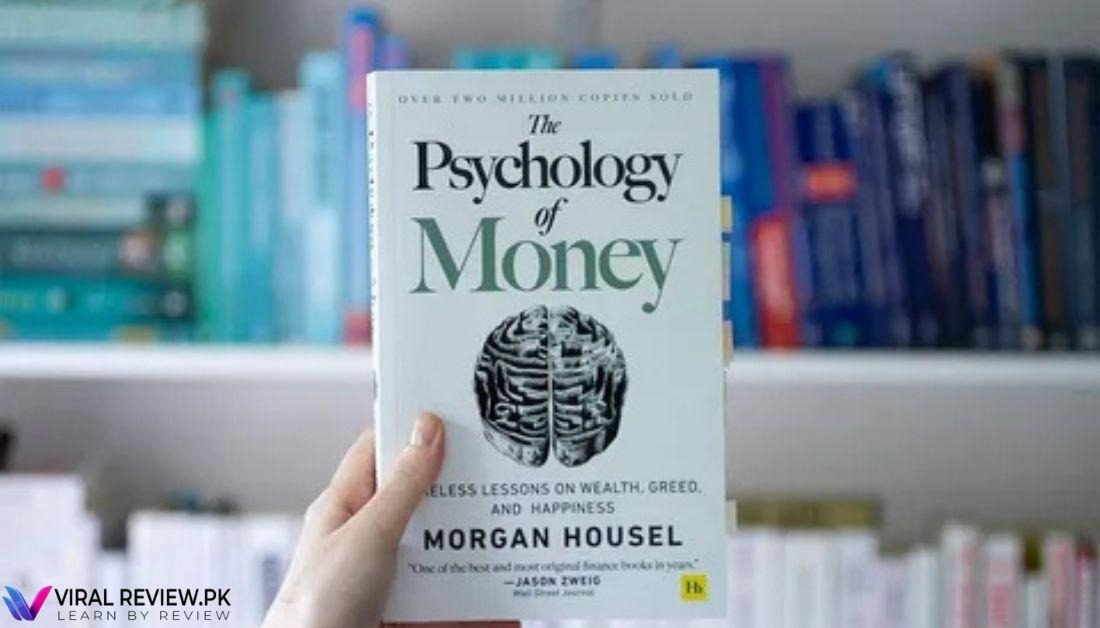
Money decisions are rarely about numbers alone. They are shaped by emotions, personal experiences, fear, ambition, and the stories we tell ourselves about success. In The Psychology of Money, Morgan Housel breaks away from traditional financial advice and explores how human behavior plays a far greater role in wealth creation than intelligence or technical knowledge. The book highlights that people from different backgrounds can look at the same financial situation and make completely different choices—and both believe they are right.
Rather than focusing on complex formulas or quick-rich strategies, The Psychology of Money emphasizes patience, consistency, and self-control. Through real-life examples and timeless lessons, the book explains why building real wealth is more about how you behave over decades than how smart you are in the moment. These insights help readers understand not only how money works, but how they work with money—making it a practical guide for anyone who wants financial stability, freedom, and peace of mind.
What if getting rich isn’t the goal—and staying wealthy is the real challenge? What if the biggest threat to your financial future isn’t a lack of income, but poor emotional decisions? The Psychology of Money challenges everything we think we know about wealth, revealing that small habits, long-term thinking, and knowing when “enough” is enough can matter more than high salaries or perfect investments. The following 20 lessons uncover powerful truths that can quietly transform the way you save, spend, invest, and ultimately live.
No One Is Crazy With Money
Money behavior is shaped by personal history, not logic alone. People who grew up in scarcity, witnessed market crashes, or faced sudden loss carry those experiences into every financial decision. What seems foolish to one person may feel protective to another. Recognizing this truth helps you stop judging others and start designing financial habits that suit your own background, comfort level, and long-term goals.

Personal Experience Shapes Financial Decisions
People don’t make financial choices based on spreadsheets alone—they act on their own life experiences. Someone who lived through inflation or job loss will behave very differently from someone who hasn’t. What looks irrational to you may feel perfectly logical to someone else. Understanding this reduces judgment and helps you make better decisions for yourself. Instead of copying others, align your money habits with your personal reality, goals, and risk tolerance. Financial success improves when you accept that money behavior is emotional, deeply personal, and influenced by upbringing, culture, and past events—not just intelligence.
Luck and Risk Are Always Involved
Financial success stories often highlight hard work but quietly ignore luck. Timing, opportunities, and random events play a major role in outcomes. At the same time, bad results don’t always mean bad decisions. Understanding the balance between luck and risk helps you remain humble, avoid extreme confidence, and build strategies that protect you when things don’t go as planned.
Success Is Never Only Skill
Many successful people worked hard—but luck also played a role. At the same time, failure doesn’t always mean poor decisions. Recognizing luck and risk keeps you humble and cautious. It prevents overconfidence during good times and self-blame during bad ones. This mindset encourages saving, diversification, and long-term thinking. When you acknowledge uncertainty, you stop chasing extreme outcomes and focus on sustainable progress. Wealth grows best when you respect randomness and prepare for what you cannot predict.
Wealth Is What You Don’t See
Society often celebrates visible success, but real wealth usually stays hidden. Savings, investments, and financial security don’t attract attention, yet they provide stability and freedom. Spending to impress others can delay or destroy wealth-building progress. When you value what’s unseen, you shift focus from appearances to long-term independence and meaningful financial control.
Invisible Money Is Real Wealth
Luxury cars and big houses are visible, but true wealth is hidden—savings, investments, and financial flexibility. Spending money to look rich often delays real wealth creation. People who quietly save and invest build long-term security, while flashy lifestyles can mask financial stress. Real wealth is the ability to choose, not the ability to show. Understanding this helps you prioritize future freedom over short-term validation and social comparison.

Saving Is About Freedom
Saving money isn’t about depriving yourself—it’s about giving your future self options. Savings create flexibility during emergencies and confidence during uncertainty. Even small amounts can reduce stress and increase independence. When money acts as a buffer, you gain the freedom to make better life decisions without pressure or desperation controlling your choices.
Money Buys Control Over Time
Saving money isn’t just about retirement—it’s about independence. When you have savings, you gain the ability to walk away from toxic jobs, bad deals, or stressful situations. This control over your time is the highest return money can give. You don’t need massive wealth to feel this benefit; even modest savings create peace of mind. Financial freedom begins when your money works as a buffer between you and life’s uncertainty.
Compounding Rewards Patience
Compounding is simple but powerful, and it favors those who wait. Wealth often grows slowly at first and accelerates over time. Many people fail not because compounding doesn’t work, but because they interrupt it too early. Staying patient, consistent, and invested allows time to turn ordinary efforts into extraordinary results.
Time Matters More Than Talent
Compounding works best when given time, not when forced with risky decisions. Small, consistent actions repeated over decades outperform short bursts of brilliance. Many fortunes are built not by genius but by staying invested and avoiding big mistakes. The key is patience—letting time do the heavy lifting. This lesson encourages long-term investing, regular saving, and resisting the urge to constantly change strategies.
Getting Rich Is Easier Than Staying Rich
Earning money can happen quickly, but keeping it requires discipline. Overconfidence, greed, and unnecessary risks often destroy wealth after it’s made. Staying rich means prioritizing survival over excitement. Protecting capital, avoiding excessive debt, and preparing for downturns matter more than chasing the next big opportunity.
Survival Is the Real Skill
Making money can happen through luck, skill, or opportunity. Keeping money requires discipline, humility, and risk management. Many people lose wealth by taking unnecessary risks after initial success. Staying rich means protecting what you have, not constantly chasing more. This mindset favors conservative decisions, lower debt, and a margin of safety. Longevity, not speed, defines lasting financial success.
Reasonable Beats Rational
The best financial plan is one you can follow during stress. Highly rational strategies often fail because they ignore human emotions. A reasonable approach accepts imperfection and prioritizes consistency. When your plan fits your lifestyle and personality, you’re more likely to stick with it long enough to see real results.
A Plan You Can Stick To Wins
Perfect financial strategies fail if they’re too stressful to follow. A reasonable plan—one that fits your personality—works better than a mathematically optimal one. If a strategy causes anxiety, you’ll abandon it at the worst time. Success comes from consistency, not perfection. Choose habits you can maintain during both good and bad markets.

Extreme Outcomes Drive Success
Most progress comes from a small number of impactful decisions. You don’t need constant wins to succeed—just a few meaningful ones over time. This reality encourages patience and resilience. By avoiding catastrophic losses and staying active in the game, you increase the chances of benefiting from rare but powerful opportunities.
A Few Events Matter Most
In investing and business, a small number of decisions or moments often create most of the results. This means you don’t need to be right all the time. You just need to survive long enough for a few big wins. Avoiding ruin is more important than chasing constant success. This lesson reinforces patience and resilience.
Freedom Is the Ultimate Goal
Money is a tool, not a trophy. Its highest purpose is giving you control over your time and choices. When financial decisions are guided by freedom rather than status, priorities shift naturally. This mindset leads to healthier spending, smarter saving, and a life designed around fulfillment instead of constant comparison.
Money’s Best Use Is Choice
The greatest luxury money can buy is the ability to choose how you live your life. Freedom to control your schedule, work on meaningful things, and spend time with loved ones defines real wealth. This perspective shifts focus away from material possessions and toward life satisfaction. Money becomes a tool, not a scoreboard.
Comparison Is Dangerous
Comparing yourself to others creates pressure to spend beyond your needs. You rarely see the sacrifices or debt behind someone else’s lifestyle. This comparison-driven behavior can quietly derail financial plans. Defining success personally helps you avoid unnecessary risks and focus on progress that aligns with your own values.
Other People’s Lifestyles Can Ruin You
Comparing yourself to others often leads to overspending and dissatisfaction. You never know their full financial situation, sacrifices, or debt. Chasing someone else’s lifestyle can quietly destroy your own goals. Contentment grows when you define success on your own terms. Avoid comparison to protect both your wealth and mental peace.
Lifestyle Inflation Is a Trap
As income grows, it’s tempting to upgrade everything. But increasing expenses at the same pace limits wealth-building potential. Lifestyle inflation keeps people dependent on high income and vulnerable to setbacks. Maintaining modest habits allows savings and investments to grow faster, creating stability and long-term financial flexibility.
Higher Income Doesn’t Require Higher Spending
As income rises, expenses often rise faster. This keeps people stuck despite earning more. Avoiding lifestyle inflation allows savings and investments to grow. You don’t need to upgrade everything just because you can. Maintaining simple habits creates long-term financial strength and flexibility.
Lesson 12: Always Leave Room for Error
No plan survives reality without flexibility. Unexpected expenses, job changes, and market shifts are inevitable. A margin of safety protects you from being forced into bad decisions during tough times. Extra savings and conservative choices give you breathing room when life doesn’t follow the script.
A Margin of Safety Keeps You Alive
Unexpected events are inevitable. A margin of safety—extra savings, low debt, flexible plans—protects you when life surprises you. Financial plans fail not because they’re bad, but because they’re too fragile. Resilience matters more than precision. Build buffers so mistakes don’t end your journey.

Volatility Is Normal
Market fluctuations are uncomfortable but unavoidable. Expecting steady growth leads to disappointment and panic. Volatility is not a flaw—it’s the price of long-term returns. Accepting this reality helps you stay invested during downturns and benefit from recovery instead of reacting emotionally at the worst moments.
Market Drops Are the Price of Growth
Market ups and downs are not signs of failure—they are the cost of earning long-term returns. Expecting smooth progress leads to panic selling. Accepting volatility helps you stay invested. Wealth grows by enduring discomfort, not avoiding it. Patience during downturns separates successful investors from emotional ones.
You Don’t Need Perfect Returns
Trying to maximize returns often increases stress and mistakes. Wealth doesn’t require perfect timing or exceptional performance. Steady progress, achieved consistently, is enough. By focusing on sustainability instead of perfection, you reduce risk and improve the odds of long-term financial success.
“Good Enough” Works
Chasing maximum returns increases stress and risk. Moderate, steady growth achieved consistently is enough to build wealth. The goal isn’t to win every year, but to stay in the game for decades. Simplicity and discipline outperform complexity over time.
The Future Will Surprise You
The world changes faster than predictions can keep up. Economic shifts, technology, and global events create outcomes no one expects. Planning for flexibility rather than certainty makes financial strategies more durable. When you accept uncertainty, you build systems that can adapt instead of collapse.
Plan for the Unknown
History offers lessons, but the future will always be different. Overconfidence in predictions leads to fragile plans. Flexibility is more valuable than accuracy. Build strategies that can adapt to many outcomes, not just one expected scenario.

Past Success Can Mislead
What worked yesterday may fail tomorrow. Markets evolve, and conditions change. Blindly following past winners can create false confidence. Continuous learning and willingness to adjust protect you from outdated strategies. Financial humility allows growth and reduces the risk of repeating old mistakes.
What Worked Before May Not Work Again
Economic conditions change, and strategies lose effectiveness. Blindly copying past winners can be dangerous. Continuous learning and adaptability are essential. Financial humility keeps you open to change and protects you from outdated assumptions.
Behavior Beats Intelligence
Emotions drive most financial outcomes. Fear causes panic selling, while greed leads to overconfidence. Knowledge alone can’t protect you from poor behavior. Developing emotional discipline helps you make better decisions under pressure. Calm, consistent actions outperform clever ideas over the long run.
Emotional Control Wins
Knowing what to do matters less than actually doing it. Emotional reactions—fear, greed, impatience—cause the biggest mistakes. Calm behavior during stress is more valuable than high IQ. Mastering emotions leads to better long-term outcomes.
Long-Term Thinking Is a Superpower
Short-term noise distracts and discourages many people. News cycles and daily market movements create unnecessary anxiety. Long-term thinkers focus on fundamentals and allow time to smooth volatility. Patience becomes a competitive advantage that rewards those willing to wait.
Short-Term Noise Destroys Wealth
Short-term market movements and news create anxiety. Long-term thinkers ignore noise and focus on trends that matter. Time smooths volatility and rewards patience. Wealth grows quietly for those who wait.
Know What “Enough” Means
Without a clear definition of enough, ambition turns into endless chasing. This mindset increases risk and reduces satisfaction. Knowing your financial goals helps you stop at the right time. Contentment protects wealth and prevents regret by aligning money decisions with personal happiness
Contentment Prevents Regret
Endless ambition can destroy happiness. Defining “enough” helps you stop chasing unnecessary risks. When you know your goals, money becomes a tool—not an obsession. This lesson protects both wealth and well-being.
True Wealth Is Peace of Mind
The final purpose of money is emotional security. Freedom from constant worry, debt, and pressure defines real success. When finances support your life instead of controlling it, you achieve true wealth. Peace of mind, not possessions, is the most valuable financial outcome.
Financial Success Is Emotional Stability
The ultimate goal of money is sleeping well at night. Freedom from stress, debt, and constant worry defines real wealth. When money supports your life instead of controlling it, you’ve succeeded. Peace, not possessions, is the final measure of financial success.

Comparison of The Psychology of Money Summary

General points about “The Psychology of Money Summary
Money decisions are driven by behavior and emotions, not just logic.
Luck and risk play a major role in financial success and failure.
Real wealth is invisible—savings and freedom matter more than lifestyle.
Saving money creates independence and control over your time.
Compounding works best with patience and consistency.
Protecting wealth is more important than chasing high returns.
A reasonable plan you can follow beats a perfect one.
Market volatility is normal and unavoidable.
Long-term thinking leads to better financial outcomes.
True wealth is peace of mind, not possessions.
FAQs about The Psychology of Money
What are the main points of The Psychology of Money?
What is the moral of the story The Psychology of Money?
What are the 3 M’s of money?
Mindset, Management, and Motivation.
What are the 7 money personalities?
Spender, Saver, Risk-Taker, Security-Seeker, Ambitious, Conflicted, and Balanced.
What are the 7 rules of money?
Can a beginner read The Psychology of Money?
Yes, it’s written in simple, relatable stories that beginners can easily understand.
What are the 7 secrets of wealth?
Is it worth reading The Psychology of Money?
Yes, it provides timeless insights into behavior-driven wealth and smarter financial decision-making.

Final Thought
Building real wealth isn’t about flashy cars or large paychecks—it’s about patience, discipline, and understanding yourself. The Psychology of Money teaches that small, consistent actions, long-term thinking, and emotional control matter far more than intelligence or luck. True financial freedom comes when money supports your life, giving you peace, choice, and confidence. If you liked The Psychology of Money, you’ll also enjoy The One Thing, which shows how focusing on what truly matters can transform your life and finances.
Inspirational Quote
“Wealth is the ability to fully experience life.” – Henry David Thoreau