
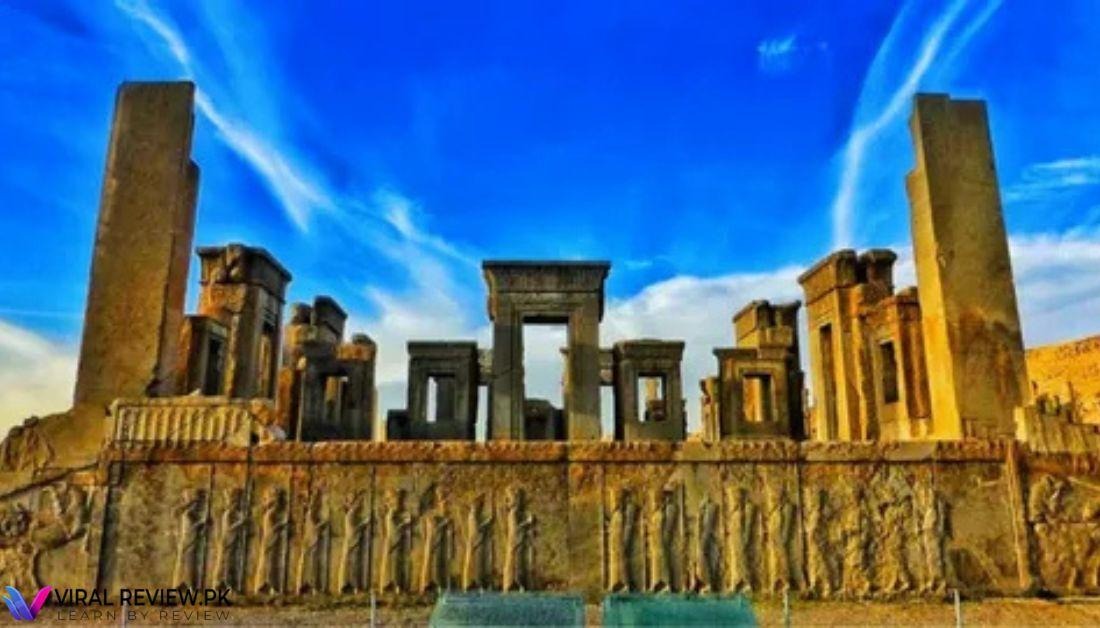
Persepolis is one of the most iconic historical landmarks in the world and a must-visit destination for anyone interested in ancient civilizations. Located near Shiraz in Iran, this UNESCO World Heritage Site was once the ceremonial capital of the Achaemenid Empire. A detailed Persepolis Iran travel guide helps travelers understand the significance of this ancient city, its architecture, and the stories carved into its stone walls.
Built over 2,500 years ago by Darius the Great, Persepolis represents the height of Persian art, culture, and political power. Today, the ruins stand as a powerful reminder of a once-great empire that influenced much of the ancient world. Visitors exploring the Persepolis ruins Iran can walk through grand gateways, massive staircases, and intricately carved reliefs that depict royal ceremonies and delegations from across the empire.
Imagine stepping into a place where kings once ruled, where ambassadors from distant lands gathered, and where history was carved into stone with incredible precision. This Persepolis Iran travel guide will take you through the key highlights, history, and must-see sections of this magnificent site, making your journey both informative and unforgettable.
History of Persepolis – The Rise of an Empire
Persepolis was founded around 518 BCE by Darius I and later expanded by his successors, including Xerxes and Artaxerxes. It was not just a city but a symbol of the Achaemenid Empire’s power and unity. As highlighted in every Persepolis travel guide, the site was mainly used for ceremonial purposes, especially for Nowruz (Persian New Year) celebrations.
The architecture of Persepolis reflects a blend of different cultures within the empire. Craftsmen and artists from various regions contributed to its construction, making it one of the most impressive ancient sites in Iran. The detailed carvings on the walls show representatives from different nations bringing gifts to the king, symbolizing unity and respect across the empire.
Despite its grandeur, Persepolis was eventually destroyed by Alexander the Great in 330 BCE. The reasons for its destruction are still debated, but the ruins remain as a testament to its former glory. Exploring its history through this Persepolis Iran travel guide allows visitors to connect with one of the most important chapters in world history.
Gate of All Nations – The Grand Entrance
The Gate of All Nations is one of the first structures visitors encounter and a highlight of any Persepolis Iran travel guide. Built by Xerxes, this grand entrance symbolizes the diversity and unity of the empire. Massive stone columns and statues of mythical creatures guard the gateway, creating an impressive first impression.
As you walk through the gate, you can imagine ambassadors from across the empire entering Persepolis to meet the king. This makes it one of the most meaningful experiences among things to explore in the Persepolis ruins Iran. The carvings and inscriptions found here reflect the importance of diplomacy and cultural exchange in the ancient Persian world.
The scale and craftsmanship of the Gate of All Nations demonstrate the advanced engineering skills of the time. For visitors following a Persepolis travel guide, this site sets the tone for the rest of the exploration, showcasing the grandeur and vision of the Achaemenid Empire.
Apadana Palace – The Ceremonial Hall
The Apadana Palace is one of the most important structures in Persepolis and a central focus of any Persepolis Iran travel guide. This grand hall was used for official ceremonies and receptions, where kings would meet dignitaries from across the empire.
The palace is famous for its impressive staircases, which are decorated with detailed carvings showing representatives from different regions bringing gifts. These reliefs are among the most remarkable features of the Persepolis ruins Iran, providing insight into the diversity and wealth of the empire.
Walking through the ruins of Apadana, visitors can still see the bases of massive columns that once supported a grand roof. This site is a must-visit for anyone interested in ancient sites in Iran, as it reflects the political and cultural significance of Persepolis during its peak.

Throne Hall – The Hall of a Hundred Columns
The Throne Hall, also known as the Hall of a Hundred Columns, is another impressive structure featured in every Persepolis Iran travel guide. Built during the reign of Xerxes and completed by Artaxerxes, it was used for royal receptions and military gatherings.
This massive hall once contained 100 columns, making it one of the largest buildings in Persepolis. Although only the bases of the columns remain today, the scale of the structure is still awe-inspiring. Exploring this site is one of the most fascinating things to do in the Persepolis ruins Iran.
The carvings found in the Throne Hall depict scenes of royal authority and power, reinforcing the importance of the king in the Achaemenid Empire. For visitors interested in ancient sites in Iran, this hall provides a deeper understanding of the political structure and ceremonial practices of the time.
Treasury of Persepolis – Wealth of the Empire
The Treasury of Persepolis was one of the most important parts of the complex and is frequently mentioned in any Persepolis travel guide. It was used to store the vast wealth of the empire, including gold, silver, and valuable artifacts.
Archaeological discoveries in this area have revealed a great deal about the economic strength of the Achaemenid Empire. Tablets and inscriptions found here provide information about workers, payments, and daily life, making it one of the most informative sections of the Persepolis ruins Iran.
Although much of the treasure was taken during the conquest by Alexander the Great, the remains of the Treasury still hold great historical value. Visiting this site is essential for anyone following a Persepolis Iran travel guide, as it offers a glimpse into the wealth and organization of one of the greatest empires in history.

Why to Visit Persepolis
Persepolis is one of the most extraordinary historical destinations in the world, making it a highlight of any Persepolis Iran travel guide. It offers a rare opportunity to walk through the remains of a powerful ancient empire and witness architecture that has stood for over two millennia. From massive stone columns to intricate carvings, every corner of Persepolis reflects the artistic and political brilliance of the Achaemenid era.
Another reason to visit is the deep cultural and historical connection it provides. While exploring the Persepolis ruins Iran, visitors often extend their journey to nearby cities like Shiraz, known for its beautiful gardens and poetic heritage, creating a well-rounded cultural experience. The combination of history, art, and storytelling makes Persepolis one of the most valuable ancient sites in Iran for travelers seeking meaningful exploration.
Best Things You Will Find There
Persepolis is filled with remarkable structures that showcase the grandeur of ancient Persia. Visitors can explore the Gate of All Nations, Apadana Palace, and the Great Throne Hall, each offering unique insights into royal ceremonies and architectural excellence. These landmarks make up some of the most fascinating highlights in any Persepolis travel guide.
In addition to the ruins themselves, the surrounding region offers more historical depth. Many travelers who visit Persepolis also explore nearby destinations like Isfahan, famous for its stunning Islamic architecture and vibrant bazaars. This adds even more value to your journey, making it one of the most enriching things to experience in the Persepolis ruins Iran.

Comparison Table – Main Highlights
FAQs About Persepolis
What is Persepolis famous for?
It is famous for its ancient ruins and Achaemenid Empire history.
Where is Persepolis located?
It is located near Shiraz in Iran.
When is the best time to visit Persepolis?
Spring and autumn offer the best weather.
How much time is needed to explore Persepolis?
Around 2 to 4 hours is usually enough.
Is Persepolis a UNESCO site?
Yes, it is a UNESCO World Heritage Site.
What are the top Persepolis ruins Iran attractions?
Gate of All Nations, Apadana Palace, Throne Hall, and Treasury.
Is Persepolis suitable for families?
Yes, it is suitable for all types of visitors.
Are guides available at Persepolis?
Yes, local guides are available for detailed tours.
General Tips for Visitors
Visit early in the morning to avoid crowds and heat.
Wear comfortable shoes for walking on stone surfaces.
Carry water, especially during warmer months.
Hire a guide to better understand the historical details.
Bring a hat and sunscreen for sun protection.
Respect the site and avoid touching fragile carvings.
Take your time exploring each section of the ruins.
Carry a camera for capturing historic architecture.
Combine your trip with nearby cultural cities.
Check weather conditions before visiting.
Final Thoughts
Persepolis stands as a timeless symbol of human achievement, blending art, history, and architecture into one unforgettable destination. Walking through its ruins is like stepping back into a powerful ancient world where every stone tells a story of greatness. A complete Persepolis Iran travel guide helps you appreciate not just the structures, but the legacy behind them.
What makes Persepolis truly special is its ability to connect the past with the present. As you explore the Persepolis ruins Iran, you gain a deeper understanding of one of the greatest empires in history and its influence on the world. It remains one of the most remarkable ancient sites in Iran, offering both knowledge and inspiration.

Visiting Persepolis is more than just sightseeing—it’s an experience that leaves a lasting impression. From its grand gateways to its detailed carvings, every moment spent here adds value to your journey and deepens your appreciation for history. Persepolis reminds us that history is not just something we read, but something we can experience and feel.
Quote of Inspiration
The past is not gone—it lives in the stories carved into the stones we walk upon.