
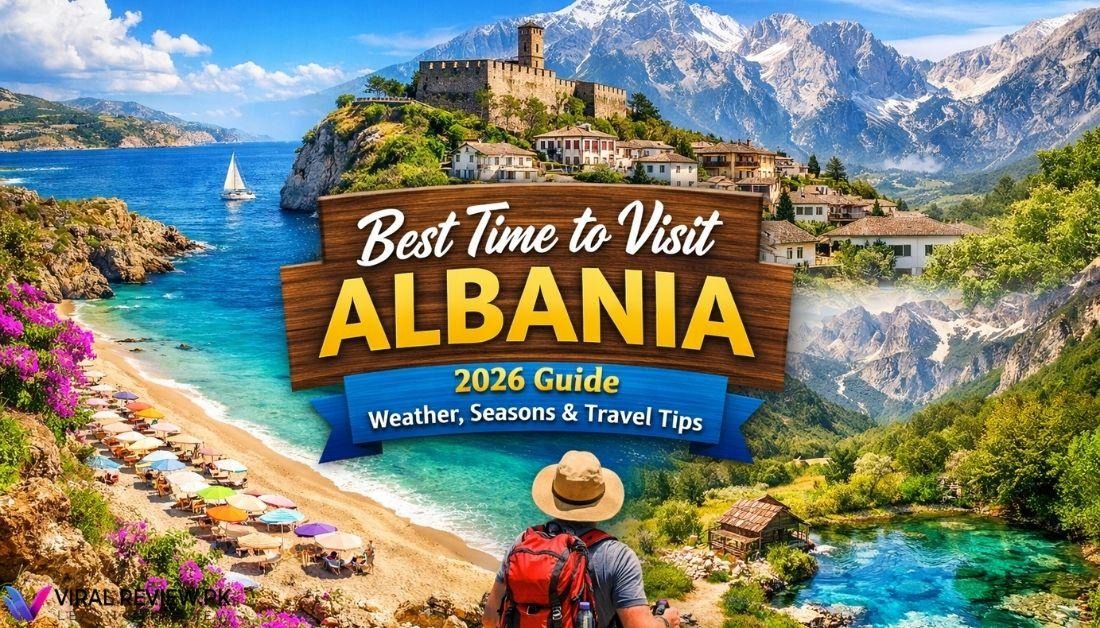
Albania, the hidden jewel of the Balkans, is a land of dramatic landscapes, pristine beaches, and centuries-old history waiting to be discovered. Nestled between the Adriatic and Ionian Seas, this enchanting country offers everything from snow-capped mountains to sun-kissed coastline, making it a dream destination for travelers seeking authenticity without the crowds. Whether you’re wandering through the cobbled streets of Gjirokastër, soaking up the sun along the Albanian Riviera, or hiking in the rugged Accursed Mountains, every corner of Albania tells a story. But to truly experience the magic of this country, knowing the best time to visit Albania is crucial. Timing your visit can elevate your trip from ordinary to unforgettable.
Albania’s climate is as diverse as its landscape. Coastal areas enjoy a Mediterranean climate with hot, sunny summers and mild winters, while the inland regions, especially the mountainous north, experience a more continental pattern with colder winters and occasional snow. This means that planning your journey depends heavily on what kind of adventure you’re after. Are you craving a lazy beach escape, thrilling mountain hikes, or a cultural immersion in historic towns? Each season brings a unique flavor to the country, shaping the experiences you can have, the sights you can explore, and the activities you can enjoy.
Imagine strolling along a turquoise coastline where the water is so clear it feels like you could step right into it, then driving just a few hours inland to find yourself surrounded by misty mountains and ancient stone villages frozen in time. Picture tasting freshly caught seafood in a quiet seaside tavern, then sipping rich mountain tea in a rustic café overlooking alpine meadows. Albania’s charm lies in its contrasts, and the best way to unlock its treasures is by visiting at the perfect moment. Timing your trip is not just about avoiding crowds or bad weather—it’s about stepping into the rhythm of a country that changes with each season, where every month offers a new story, a new view, and a new adventure. In this guide, we’ll explore the Best times to visit Albania in 2026, breaking down the weather, seasonal highlights, and practical travel tips so you can plan a journey that is as seamless as it is spectacular.
From spring blooms in the countryside to the golden hues of autumn along the coast, Albania beckons travelers with its unspoiled beauty and warm, welcoming people. Festivals, local markets, and outdoor adventures vary with the seasons, meaning your experience can be tailored perfectly to your interests. Planning your trip around the ideal weather not only ensures comfortable travel but also unlocks hidden experiences that many visitors miss. Whether you’re chasing sunshine, seeking serene mountain vistas, or exploring historical treasures, knowing when to go can transform your Albanian journey into a once-in-a-lifetime adventure.
Understanding Albania’s Climate
Climate awareness is crucial when visiting Albania, as it affects every aspect of travel, from sightseeing and outdoor activities to packing and accommodation choices. Planning your trip around the seasons ensures that you enjoy sunny coastal days, comfortable hikes in the mountains, or cultural explorations without worrying about extreme weather. By choosing the right season, travelers can fully immerse themselves in Albania’s natural beauty, historic towns, and lively cultural scenes.
Coastal vs Inland Weather
Albania’s climate is highly diverse due to its unique geography. Along the Adriatic and Ionian coasts, the weather is Mediterranean, with hot, sunny summers perfect for sunbathing and mild, wet winters ideal for quiet retreats. Towns like Saranda, Vlora, and Dhermi boast long summer days and pleasant evenings, making them excellent for beach activities, water sports, and sunset strolls.

Inland regions, particularly the northern and northeastern mountains, experience a more continental climate. Winters can be harsh with heavy snowfall in areas like the Accursed Mountains, while summers are warm but not extreme, ideal for trekking, river rafting, or exploring remote villages. Understanding these differences helps travelers decide where to go based on their preferred activities.
Seasonal Temperature and Rainfall
Albania’s rainfall and temperatures vary significantly throughout the year. Summer temperatures along the coast often peak around 30–35°C, while winter averages 10–15°C. Inland, summer highs are cooler, around 25–28°C, but winters can plunge below zero, especially at higher altitudes. Rainfall is most common in November and December, while July and August are the driest months. Spring and autumn bring moderate temperatures and fewer tourists, making these seasons ideal for sightseeing and outdoor adventures. Knowing the climate trends not only helps with planning but also ensures a more comfortable and enjoyable travel experience.
Best Time to Visit Albania
Timing your visit properly ensures you experience Albania at its best. Spring offers a quieter, picturesque setting perfect for nature lovers and photographers, while summer delivers the quintessential beach holiday experience along the Riviera. Whether you prefer outdoor adventures, cultural immersion, or simply relaxing in scenic surroundings, aligning your trip with the optimal season will make your journey more rewarding and memorable.
Spring (March–May)
Spring is a magical time in Albania. The countryside blooms with wildflowers, rivers swell with fresh snowmelt, and the weather is mild and refreshing. Cities like Berat, Shkodra, and Gjirokastër are at their most charming during this time, with fewer tourists crowding the streets. Spring is perfect for hiking in the Accursed Mountains or exploring the Llogara Pass, where panoramic views are at their clearest. Travelers can also enjoy seasonal festivals celebrating local traditions, foods, and music.
Summer (June–August)
Summer is peak season along the Albanian Riviera. Beaches like Ksamil, Dhërmi, and Himara see the highest influx of tourists, while coastal towns buzz with lively nightlife, beach bars, and festivals. Summer is also ideal for water sports like snorkeling, diving, and sailing. However, inland areas can get warm during the day, so early morning or late afternoon excursions are advisable. Booking accommodations in advance is essential during this period, as summer is Albania’s busiest season.

Exploring Albania’s Regions by Season
Each region of Albania shines differently depending on the season. The coast invites sun-seekers and beach lovers, while the mountains cater to hikers and adventure enthusiasts. Traveling through both regions allows visitors to witness the country’s incredible diversity, from sunny turquoise beaches to misty alpine valleys, making Albania a destination that combines relaxation, exploration, and adventure in one trip.
Coastal Adventures
Albania’s southern coast is renowned for its turquoise waters, hidden beaches, and charming coastal towns. Summer is the ideal time to explore this region, when the sea is warm and the sun is strong. Visitors can enjoy sailing along the Ionian Sea, swimming in crystal-clear waters, and relaxing on serene beaches like Gjipe and Jale. Coastal towns like Saranda, Himara, and Dhermi offer boutique hotels, seaside cafes, and vibrant nightlife. Early morning and late evening strolls provide a peaceful alternative to daytime crowds.
Mountain Escapes
Northern Albania, particularly the Accursed Mountains and Valbona Valley, offers dramatic alpine landscapes perfect for hiking, trekking, and adventure tourism. Spring and autumn are the best seasons to explore these areas, as temperatures are moderate and trails are accessible. In winter, snowfall transforms the mountains into a playground for snowshoeing and skiing. Villages such as Theth and Valbona provide authentic experiences, with traditional guesthouses, hearty local cuisine, and stunning natural vistas.
Cultural Experiences and Festivals
Aligning your visit with cultural events and seasonal highlights enhances the Albanian experience. Witnessing traditional celebrations, exploring historic architecture, and browsing local markets allows travelers to connect with the country’s heart and soul. These experiences provide a deeper appreciation of Albania, far beyond its natural landscapes, and make every visit uniquely memorable.
Traditional Celebrations
Albania is rich in cultural traditions, festivals, and folklore. Spring and summer are particularly lively, with numerous festivals celebrating music, dance, and local crafts. Events like Gjirokastër Folk Festival and Tirana International Film Festival offer a chance to immerse in Albanian culture. Religious holidays, such as Bajrami and Orthodox Easter, showcase traditional ceremonies, food, and community celebrations. Participating in these events offers travelers a deeper understanding of Albania’s heritage and way of life.

Historic Towns and Markets
Historic towns like Berat and Gjirokastër, UNESCO World Heritage Sites, are perfect for exploring year-round but are most enjoyable in spring and autumn. Seasonal markets in towns and villages offer fresh produce, handmade crafts, and local delicacies, giving visitors a taste of authentic Albanian life. Strolling through cobbled streets, visiting ancient castles, and interacting with locals adds layers of richness to any trip.
Travel Tips for Each Season
Smart preparation makes a huge difference when exploring Albania. By packing according to the season and planning accommodations and transport ahead, travelers can avoid unnecessary stress and maximize their experience. Understanding the local weather, accessibility, and seasonal activities ensures a smooth journey and allows visitors to fully enjoy the country’s natural beauty, cultural richness, and adventure opportunities.
Packing and Preparation
Packing wisely is crucial for enjoying Albania comfortably. Summer calls for lightweight clothing, hats, sunscreen, and swimwear, while spring and autumn require layered outfits to adapt to temperature changes. Winter travelers exploring the mountains should carry warm jackets, boots, and snow gear. Essentials like a reusable water bottle, comfortable walking shoes, and a camera are necessary for all seasons.
Accommodation and Transport
Accommodation options vary seasonally, with summer seeing high demand along the coast. Spring and autumn are ideal for quieter stays, better deals, and more personalized experiences. Renting a car provides flexibility, especially for accessing remote beaches or mountain villages. Public transport is reliable but planning your routes in advance ensures smooth travel.

Travel Tips for Visiting Albania
Plan Your Season – Choose the right time based on your activities. Beaches are best in summer; mountains in spring or autumn.
Pack Smart – Bring layers, comfortable shoes, sunscreen, and a hat. Mountains need warm clothes in winter.
Book in Advance – Summer is peak season, especially along the Riviera. Reserve hotels and transport early.
Rent a Car – Albania’s best spots, beaches, and mountain villages are easier to reach by car.
Carry Cash – Small towns and local markets may not accept cards. Euros are sometimes accepted, but Lek is preferred.
Try Local Food – Don’t miss fresh seafood, traditional pastries, and mountain cheeses. Food is affordable and delicious.
Learn Basic Words – Simple Albanian greetings like “Mirëdita” (Hello) go a long way with locals.
Check the Weather – Coastal and mountain climates differ; plan hiking or beach days accordingly.
Stay Flexible – Some roads are small or winding. Give extra time for travel, especially in rural areas.
Respect Traditions – Dress modestly at religious sites and be polite in villages; locals are friendly and welcoming.

FAQs about the Best Time to Visit Albania
Which month is best to visit Albania?
May to September (Spring and Summer) for beaches, festivals, and outdoor activities.
Is Albania cheap or expensive?
Cheap to moderately priced; food, transport, and accommodation are very affordable compared to Western Europe.
Is Albania a cold country in winter?
Inland and mountains: yes, can be cold with snow.
Coast: mild winters, rarely below 10°C.
What are some hidden gems in Albania?
Gjipe Beach, Theth & Valbona Valleys, Blue Eye Spring, Ksamil Islands, Llogara Pass.
What is famous in Albania to buy?
Handmade carpets, embroidery, olive oil, raki (local spirit), souvenirs from markets.
What is the prettiest part of Albania?
Albanian Riviera (Dhermi, Himara, Ksamil) and the Accursed Mountains in the north.
What is not polite in Albania?
Disrespecting religion, rude gestures, speaking loudly in villages, showing shoes inside homes.
What is the secret service of Albania?
SHISH (Shërbimi Informativ Shqiptar) – the Albanian intelligence service.
Final Thought
Albania is a land of contrasts and surprises, where sparkling beaches meet misty mountains and ancient towns tell stories of centuries past. Every season brings a new adventure, whether it’s hiking rugged trails, exploring historic streets, or soaking in sun-drenched coastlines. By planning your visit carefully and embracing the local culture, your trip to Albania can be more than a vacation—it can be a journey of discovery, wonder, and lasting memories.

Inspirational Quote
Travel not to escape life, but to embrace it. In Albania, every path, every view, and every smile shows the beauty of exploring the world with an open heart.